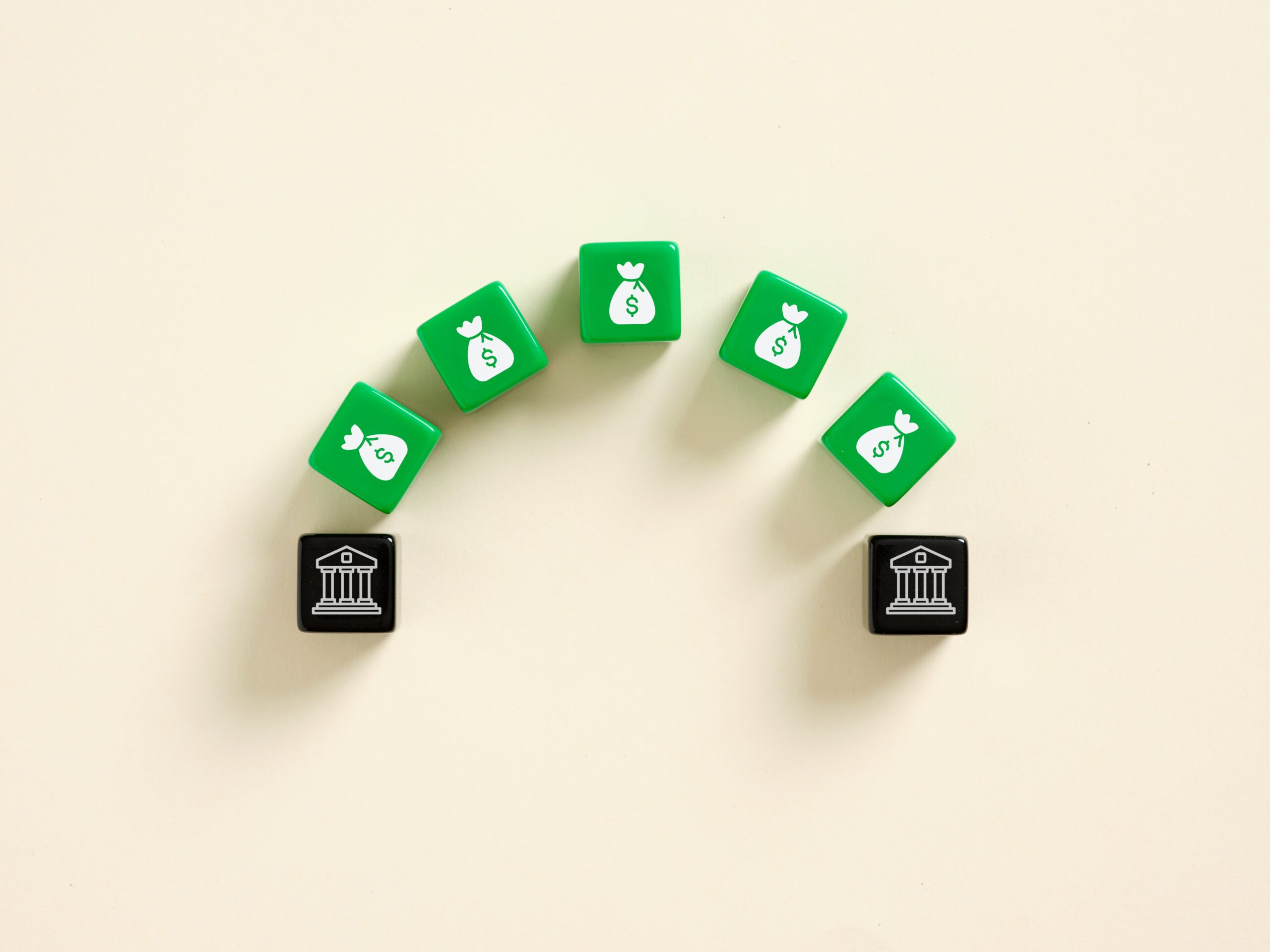
For years, capital has been treated like an umbrella tucked away for a rainy day, comforting to have, seldom questioned. But more and more, we hear the most strategic financial institutions we work with follow the conversation down a different path.
In a world where standing still is the fastest way to move backwards, the answer to the question “How much capital is enough?” is changing. While many believe that “more” is always better, it is becoming clear that the answer isn’t always so simple. Boards and leadership teams are starting to wonder: what if capital isn’t just a cushion, but a strategy?
Rethinking What Capital Means
Recently, during a planning session after spending time discussing the broader environment, a CEO said to me, “We’ve always focused on the regulatory minimums and interest-rate risk, but I’m reminded that the world looks different now. Cyber threats, shifting customer expectations, regulatory changes… Maybe our capital strategy should evolve too.”
Together with the board, the management team began to list the forces shaping our environment: uncertainty regarding rates, growing competition, the rise of fintech partnerships. For years, their capital discussions had centered on protection, against losses, against risk. Now, they started asking what their capital could enable.
We took time during that planning session to practice thinking strategically, working backwards to determine what steps could be taken today to support the vision for tomorrow. Instead of asking how much capital was needed to cover risk, the group thought through what they might want to do in the next three to five years, then determined what kind of capital supports those opportunities.
Mapping the Landscape of Risk
Before they could talk opportunity, the board and management had to understand the risks that shape these decisions. Interest-rate risk and credit risk were familiar territory, but others were less visible: liquidity risk, compliance risk, reputational risk, even relevancy risk, the danger of falling behind the expectations of their customers.
Each risk carried both a threat and an insight. What would happen, for example, if a liquidity crunch forced them to sell investments prematurely? What would a regulatory shift mean for fee income? And what would it cost, in both dollars and loyalty, if they delayed investing in digital banking while competitors moved ahead?
The conversation turned from abstract categories to lived scenarios, what these risks looked like in their world.
Putting Numbers to Uncertainty
Quantifying risk proved more difficult. There is no single metric that can perfectly capture potential loss. But we can model impacts: What if deposit runoff requires wholesale funding? What if a downturn drives up reserve needs under CECL assumptions?
Running these sorts of strategic scenarios helps boards and management see that capital isn’t a static figure on a balance sheet, it is a living reflection of strategy, risk, and resilience.
Defining Their Appetite
At this same planning session, the conversation deepened, and a pivotal question was asked:
“How much risk are we actually comfortable with?” For years, the default answer for many financial institutions has been “as little as possible.” But now, that answer feels incomplete. Playing it safe can itself be risky.
Relevancy risk came up again, investing in technology carries costs, but not investing carries others. “If consumers expect an experience like the largest banks or newest fintechs offer,” one director noted, “standing still might be the fastest way of moving backward.”
The conversation turned to weighing tradeoffs: accepting more risk in one area to create room for innovation in another. Slowly, “risk appetite” started to sound less like a constraint and more like a compass.
Seeing the Opportunities
By the end of the session, the discussion had expanded beyond risk to the horizon of opportunity. Can growth come through a partnership or merger? Is there need to pursue new markets? What new products might better serve consumers?
Each possibility required capital, and each carried uncertainty. But the conversation came back to this idea that capital isn’t just a safety net. It’s also a launchpad.
Opportunity and risk are two sides of the same coin.
Bringing It All Together
In the weeks that followed this planning session, the leadership team worked to integrate these conversations into their broader strategic plan. We helped them refine their capital targets, not just as percentages of assets, but as expressions of intent: how much they wanted to grow, where they were willing to take calculated risks, and what kind of organization they wanted to become.
By taking a forward-looking approach, one that tied capital directly to vision, they found themselves better aligned and more prepared.
Their capital strategy no longer lived in isolation from their organizational strategy. The two moved together, shaping decisions not just for today’s balance sheet, but for tomorrow’s possibilities.
Because in the end, “enough capital” isn’t simply what keeps you safe, it’s what helps you move forward with confidence.